Welcome to Volt Energy Technology
How to Choose Cordless Tools?
How to Choose Cordless Tools? Understand the Differences and Applications of Electric Impact Drills, Cordless Power Screwdrivers, and Cordless Electric Impact Wrenches in One Article
Ever struggled with stripped screws while assembling furniture? Felt exhausted trying to drill holes in concrete walls? Or gotten frustrated when you can’t loosen stubborn tire bolts during car repairs? Chances are, you just picked the wrong tool! Cordless tools have become essential for DIY projects, home renovations, and even professional jobs—they’re portable, powerful, and hassle-free without tangled cords. But with so many options like electric impact drills, cordless power screwdrivers, and cordless electric impact wrenches, how do you choose the right one? Let’s break it down in simple terms so you never waste money on the wrong tool again!
What Can Each Cordless Tool Actually Do?
1. Cordless Power Screwdriver: The Screw-Tightening Pro
If your tasks revolve around screws, this is your go-to tool! It’s designed specifically for driving and removing screws, making it perfect for:
Furniture assembly (think bookshelves, beds, or cabinets)
Door and window installation
Electrical appliance repairs
Plumbing and electrical work
Hanging shelves or curtain rods
It excels at precise, efficient screw work—no more slipping or stripping screws. However, it’s not meant for drilling (especially into hard materials like metal or concrete). Stick to screw-related tasks, and you’ll love how easy it makes your projects.
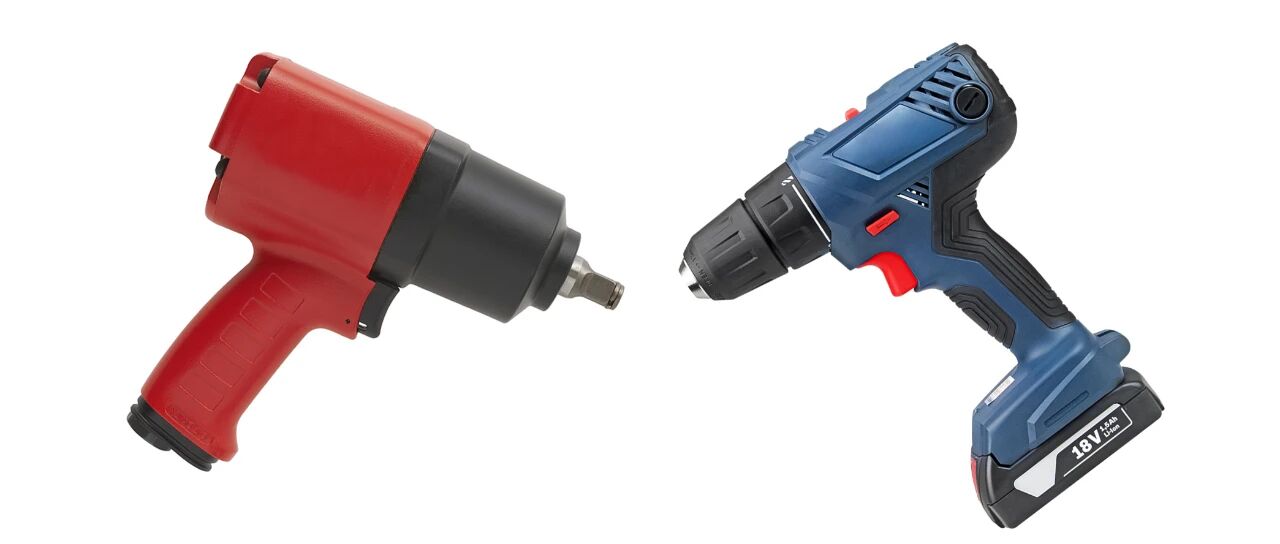
2. Electric Impact Drill: The Versatile Drilling & Light Demolition Tool
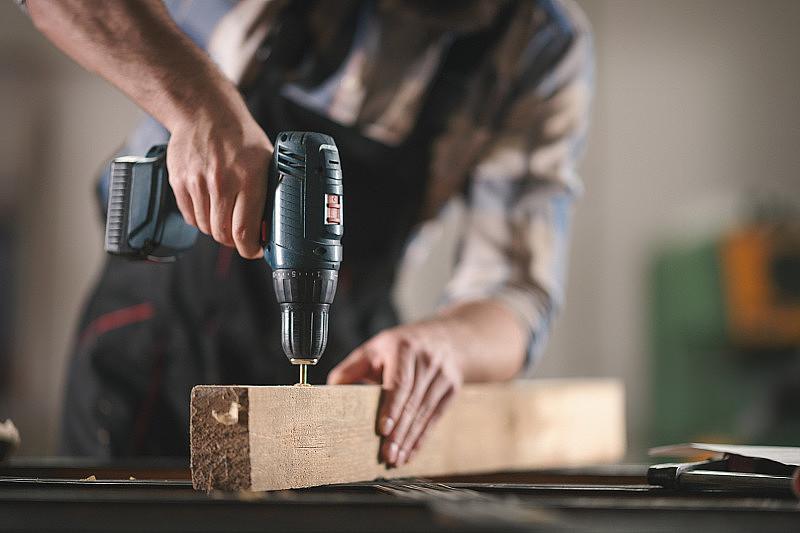
Need to drill holes and occasionally tackle light masonry work? An electric impact drill is the multitasker you need. Its key strengths are:
Drilling into wood, metal, plastic, and tiles
Light impact drilling for small holes in concrete (like installing curtain brackets or towel racks)
One tool for multiple jobs—save money by skipping separate drills and light hammers
But remember: it’s not a professional wall-breaking tool. If you need to drill large or frequent holes in concrete, you’ll want a dedicated hammer drill. For everyday drilling and light impact tasks, though, this tool is more than enough.
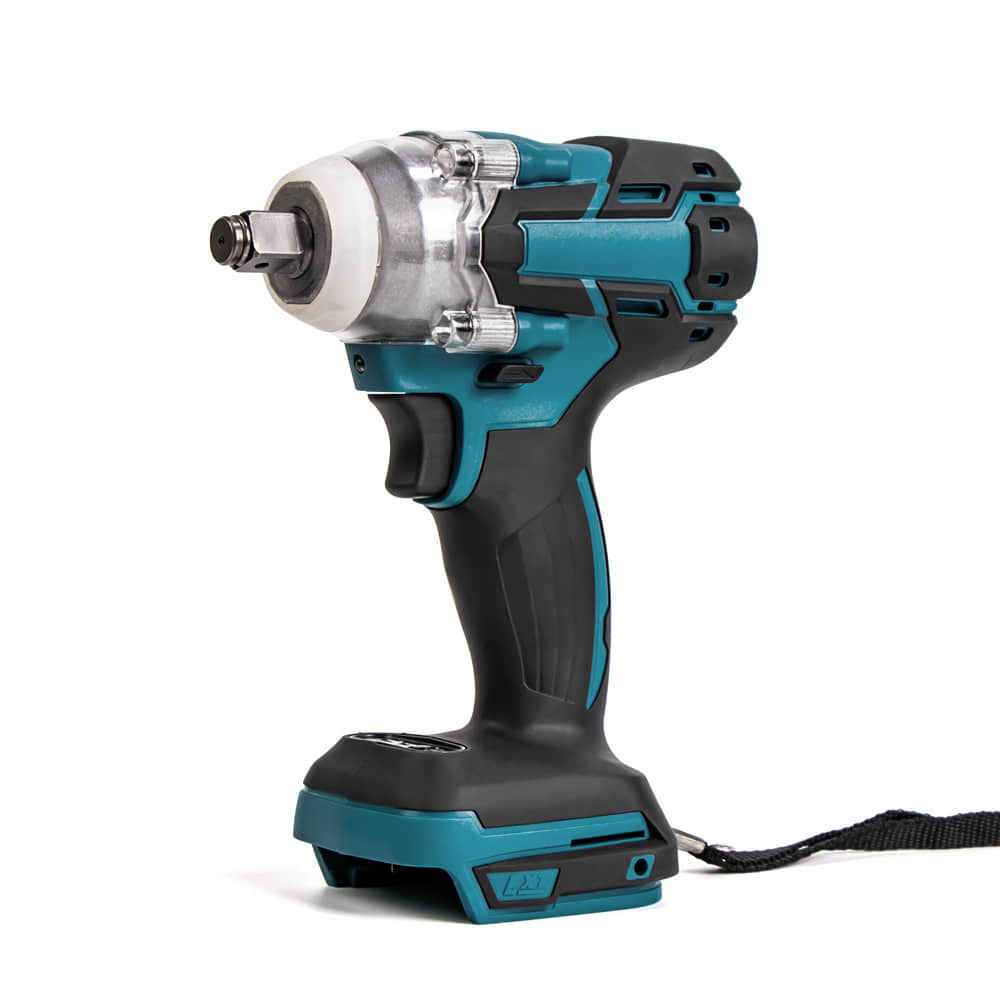
3. Cordless Electric Impact Wrench: The Heavy-Duty Bolt Master
When it comes to big, tough bolts, nothing beats an impact wrench. It’s built for high torque and heavy-duty jobs, such as:
Car tire replacement (loosen rusty bolts in seconds!)
Steel structure installation
Large machinery maintenance and repair
Heavy equipment assembly
This tool is all about power—it’s overkill for small screws. Using it on tiny fasteners will likely strip them or damage your project. Save it for the heavy lifting, and you’ll wonder how you ever worked without it.
Why Do Their "Impact" Styles Matter?
Understanding how each tool delivers impact helps you use them correctly:
Cordless Power Screwdriver: Rotational impact. Imagine tapping a wrench from the side with a hammer—this tool delivers quick, rotational bursts of torque that drive screws smoothly and prevent slipping. Perfect for precise, controlled tightening.
Electric Impact Drill: Axial impact. It spins while delivering forward "thuds" (like a tiny jackhammer). The high impact frequency breaks up hard materials gently, making it great for drilling through tiles or small concrete holes without brute force.
Cordless Electric Impact Wrench: Violent rotational impact. It combines massive torque with powerful rotational impacts, enough to loosen bolts that have been rusted or tightened for years. It’s all about raw power for heavy-duty tasks.
Buying Guide: Pick the Right Tool for Your Needs
Scenario 1: Home Renovation & DIY (Furniture Assembly, Electrical/Plumbing Work)
Recommended Tool:
OEM-MT172 Brushless Impact Screwdriver
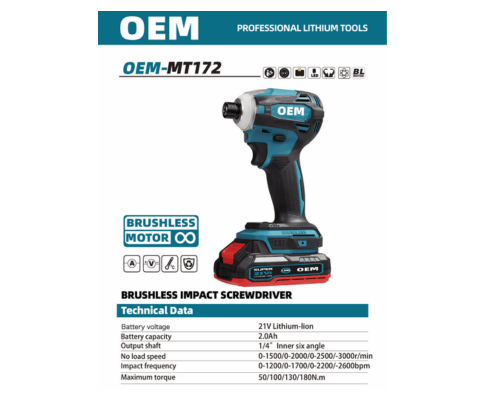
Why: Fast at driving screws, easy to use even for people with small hands or less strength, and compact enough to reach tight spots like cabinet corners or sofa gaps.
Pro Tip: Avoid using an impact wrench here—its excessive power will damage screws or hardware.
Scenario 2: Drilling Tasks (Wood, Metal, Tile, Small Wall Holes)
Recommended Tool:
OEM 21C-2 Cordless Electric Impact Drills
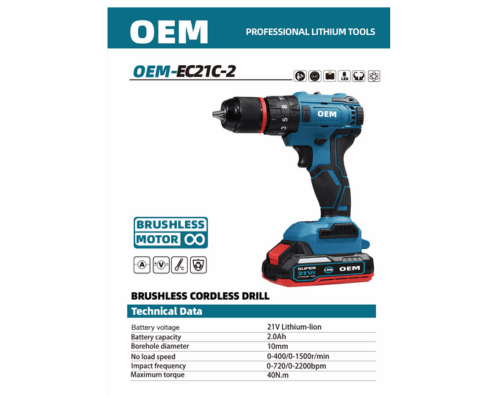
Why: Multifunctional—drill through multiple materials with one tool, and save money by not buying separate drills. Pair it with different drill bits for wood, metal, or tiles, and you’re ready for most home drilling jobs.
Pro Tip: If you’re drilling concrete frequently, upgrade to a dedicated hammer drill instead.
Scenario 3: Car Repairs & Industrial Work (Tire Changes, Steel Installation, Machinery Maintenance)
Recommended Tool:
OEM-M60F cordless power electric screwdriver
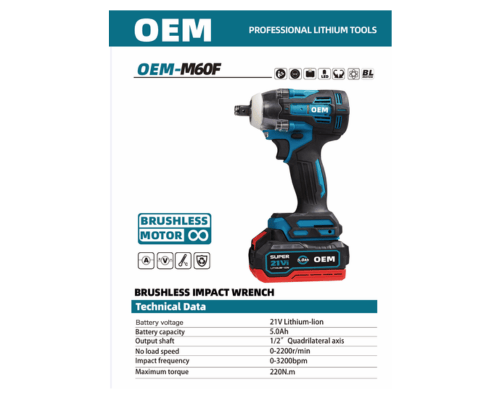
Why: Saves time and energy—loosen or tighten large bolts in seconds. Look for adjustable torque settings to match different tasks (from light industrial work to heavy machinery).
Pro Tip: Choose the right torque for your job—too much torque can damage equipment, while too little won’t get the job done.
Money-Saving Tip: Choose a Shared Battery Platform
Here’s a pro trick to cut costs: Opt for cordless tools that share the same battery platform. Many brands design their tools to use interchangeable batteries—so you can buy one battery and charger, then add "bare tool" versions of other tools later (like buying an impact drill first, then adding a power screwdriver without a battery). This way, you get all the tools you need without paying for extra batteries or chargers—saving you hundreds!
Final Thoughts
Choosing the right cordless tool doesn’t have to be complicated. Just match the tool to your tasks:
For screws: Cordless Power Screwdriver
For drilling + light impact: Electric Impact Drill
For big bolts + heavy-duty jobs: Cordless Electric Impact Wrench
With this guide, you’ll pick the perfect tool for every project, avoid wasting money on unnecessary gear, and get your work done faster and easier. Whether you’re a DIY enthusiast, a homeowner tackling renovations, or a professional on the job, the right cordless tool will make all the difference. Ready to upgrade your toolbox? Explore our range of high-quality cordless tools to find the perfect fit for your needs!

 English
 العربية
 Español
 Русский