Welcome to Volt Energy Technology
Pneumatic Tools vs Electric Tools: Which Is Your Perfect Partner?
Pneumatic Tools vs Electric Tools: Which Is Your Perfect Partner?
In factory workshops, construction sites, auto repair shops, or even home garages and gardens, power tools are indispensable for boosting efficiency. You’ve probably seen pneumatic tools with air hoses (like a little "tail") and electric tools that plug into outlets or run on batteries—especially the popular cordless power tools and cordless garden power tools. Many people feel confused when choosing: Should I go for pneumatic or electric? Which one fits my needs best?
As the saying goes, "To do a good job, one must first sharpen one's tools." Understanding their core differences and application scenarios will help you make the smartest choice. Today, we’ll break it down from principles and features to use cases—everything you need to know!
I. Core Principles: Air Power vs Electric Power
Pneumatic Tools: Driven by Compressed Air
Pneumatic tools rely on compressed air as their power source. You’ll need an air compressor to generate high-pressure air, which is delivered to the tool through an air hose to drive the internal pneumatic motor for rotation or impact. Simply put, it’s like using a giant "bellows" to blow air through a long tube into the tool, making it spin or strike.
Electric Tools: Driven by Electricity
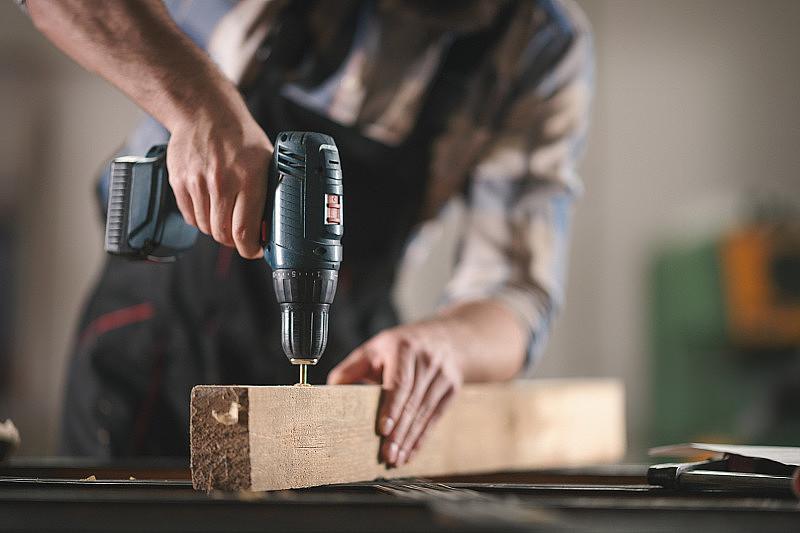
Electric tools are powered by electricity, divided into corded (plugged directly into an outlet) and cordless (powered by lithium batteries) types. Among them, cordless power tools have become increasingly popular thanks to their unrestricted mobility. Their principle is similar to household electric fans or remote-controlled cars—just plug them in or insert a battery to start, with the internal motor directly outputting power for intuitive operation.
II. Comprehensive Comparison: 5 Key Dimensions
To make it clearer, let’s compare their "characteristics" in a table:
Comparison Dimension | Pneumatic Tools | Electric Tools |
Power & Performance | High power, lightweight, strong explosive force—ideal for high-intensity, continuous operations. Usually delivers higher torque. | Wide power range, but slightly heavier than pneumatic tools at the same power level. Cordless power tools offer maximum portability; starting torque has steadily improved, and many professional models now match pneumatic tools. |
Safety & Environment Adaptability | Intrinsically safe and explosion-proof: No electric sparks, making them the top choice for flammable and explosive environments (e.g., chemical plants). Waterproof and resistant to immersion. | Risk of electric sparks—high-cost explosion-proof models are required for special environments. Susceptible to water and moisture, but safe enough for daily tasks (e.g., construction, garden maintenance) with basic precautions. |
Durability & Maintenance | Simple structure, rugged and durable. Only stops rotating when overloaded—won’t burn out easily. Core maintenance focuses on the air compressor (draining water, oil changes); the tools themselves have low maintenance costs. | Relatively complex structure (including motor, brushes, circuit board); motor may burn out when overloaded. Slightly higher maintenance/repair costs, but high-quality cordless power tools have significantly improved battery life and durability, requiring no complicated daily upkeep. |
Cost Structure | High initial investment: Requires a complete system including an air compressor, air hoses, and filters. However, individual tools are affordable. | Low initial investment: Ready to use right out of the box (plug-in or battery-powered). But high-quality tools—especially professional cordless models and cordless garden power tools—come with a higher price tag. |
User Experience | Dependent on an air compressor; movement is limited by hose length. Produces noise (exhaust sound) and offers relatively low precision. | Flexible and convenient! Especially cordless power tools—no wires or hoses to restrict movement, perfect for outdoor work. Lower noise levels, most with stepless speed regulation and torque control for higher precision and smoother operation. |
III. How to Choose? Match the Tool to Your Scenario
There’s no "better" tool—only the one that fits your needs. Choose based on your specific use cases:
👍 Pneumatic Tools’ Strengths (Ideal For)
• Auto repair & manufacturing: The classic application for pneumatic tools. Perfect for tasks requiring high torque and continuous high-speed operation:
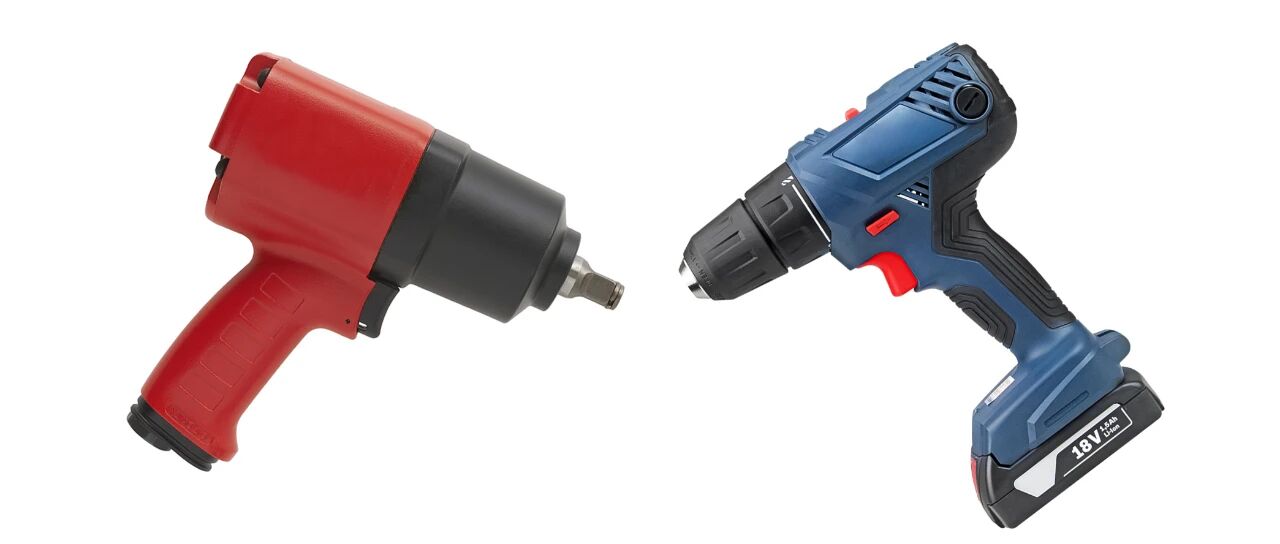
○ Tire removal/installation: Pneumatic impact wrenches ("air guns") are standard—removing screws in seconds.
○ Sheet metal sanding/polishing: Lightweight pneumatic sanders reduce fatigue during long hours of use.
○ Assembly lines: Pneumatic screwdrivers and nut guns work fast for maximum efficiency.
• Heavy industry, chemical, and flammable/explosive environments: Their explosion-proof feature makes them a safety staple in oil fields, mines, and chemical plants.
• High-intensity continuous production lines: Factories (e.g., furniture, hardware) that require 24/7 tool operation—pneumatic tools’ durability and overload resistance make them irreplaceable.
• Weight-sensitive scenarios: Handheld tools for aerospace applications that demand extreme lightness.
👍 Electric Tools’ Dominance (Ideal For)
• Construction & renovation:
Cordless power tools shine here—drills, impact drills, hammer drills, angle grinders, and chainsaws offer unmatched flexibility in sites without power outlets.
• Home DIY, woodworking, and precision work:
Precision and control are key. Electric tools often have stepless speed regulation for gentle startup and precise force control—perfect for delicate screwing, wood drilling, and more. Easy to get started with no air compressor needed—just plug in or use a battery to create!
• Outdoor and air-source-free locations:
Anywhere away from fixed workbenches (e.g., outdoor installation, maintenance)—cordless power tools are the only choice.
• Garden maintenance:
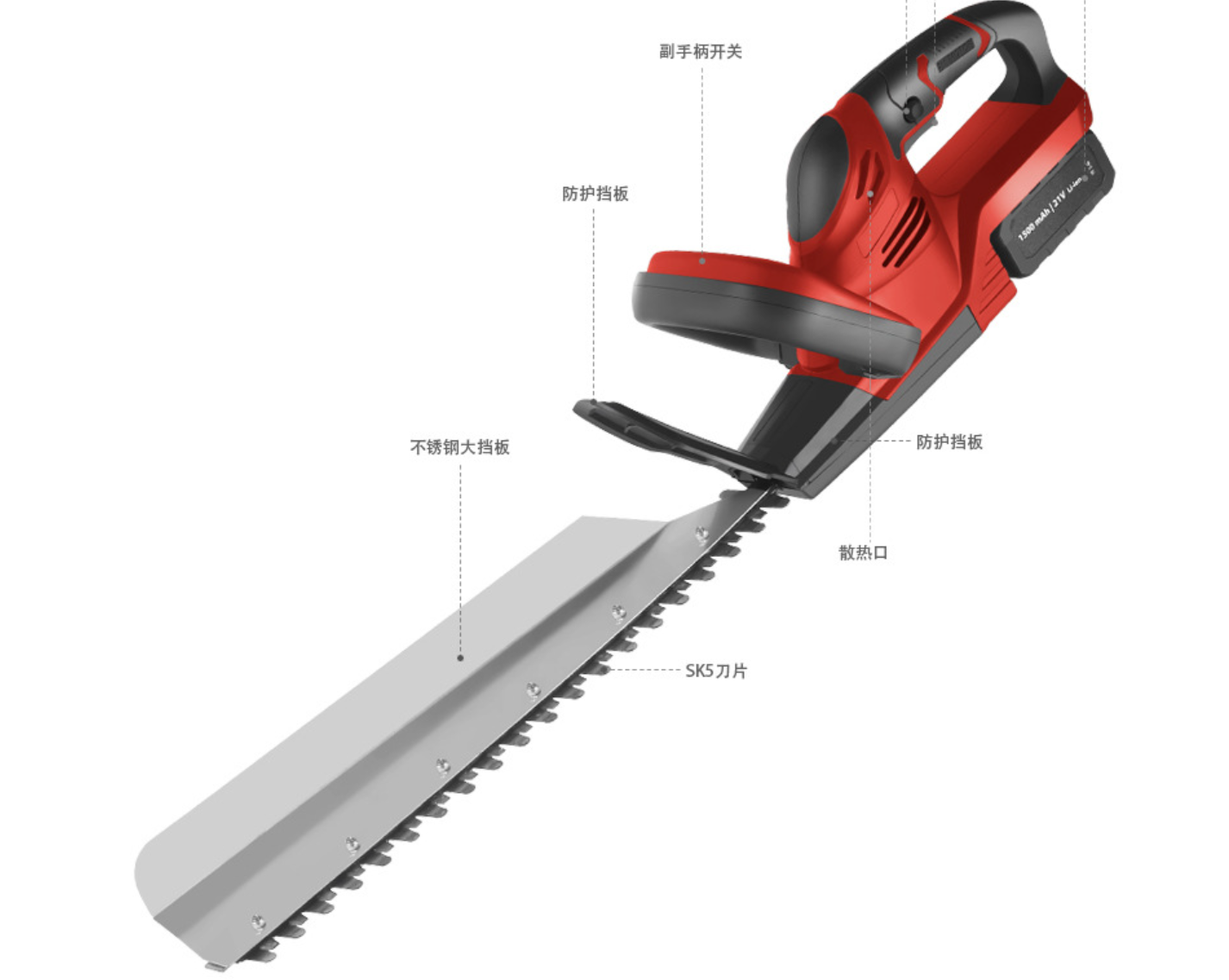
Cordless garden power tools (such as lawn mowers, hedge trimmers, and leaf blowers) let you tackle yard work without tangled wires or gas fumes—quiet, eco-friendly, and easy to maneuver around plants.
• Smart control requirements:
Modern high-end electric tools integrate torque control, digital displays, and Bluetooth connectivity to enable standardized, traceable assembly processes.
IV. Blurring Boundaries: The Fusion Trend
With technological advancements, the line between pneumatic and electric tools is fading:
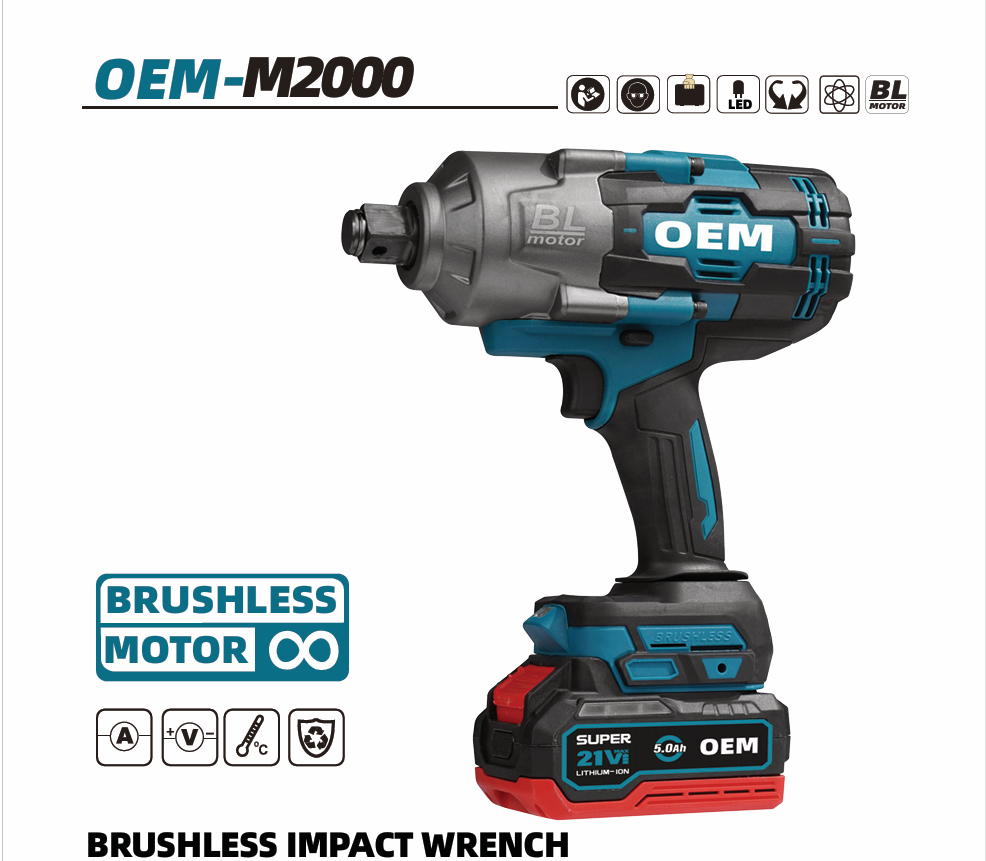
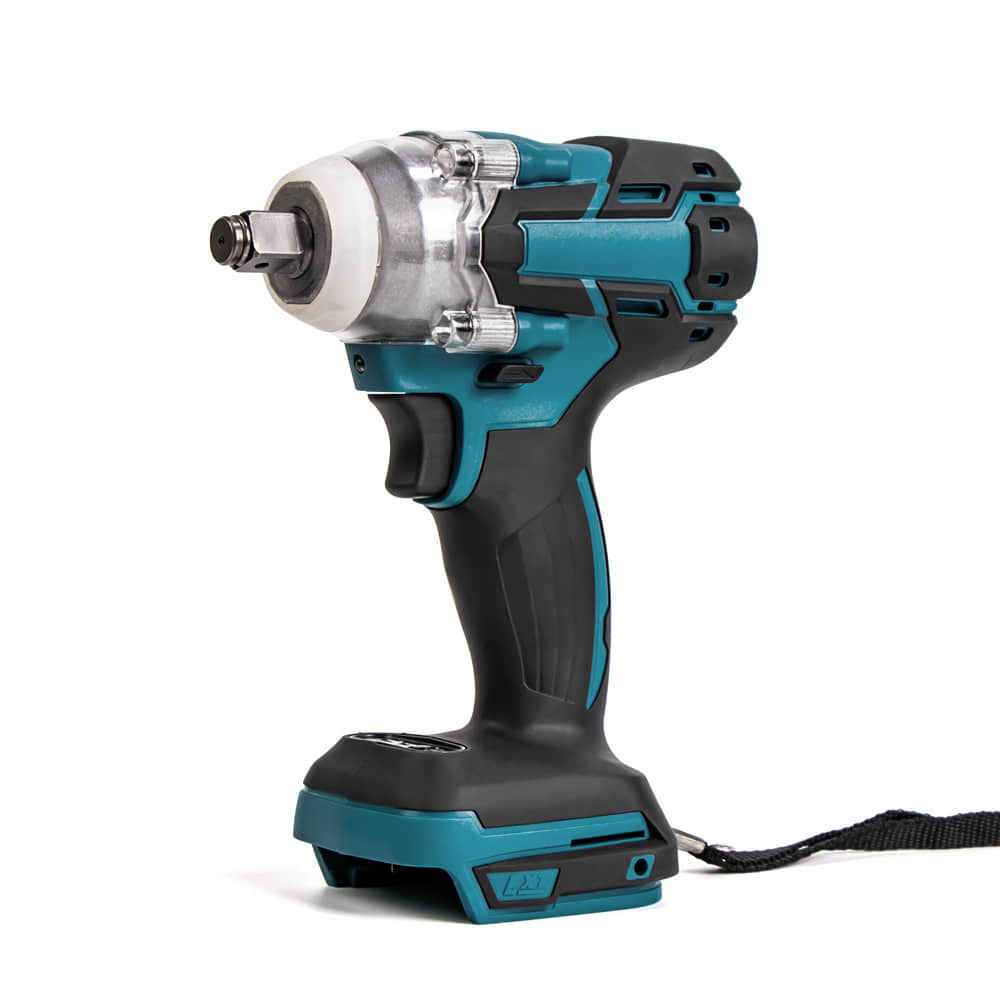
• Electric impact wrenches now perform nearly as well as pneumatic models, replacing them in many auto repair shops.
• Lithium-ion battery technology has greatly improved the power and runtime of cordless power tools, closing the performance gap with pneumatic alternatives.
Conclusion: Choose the Right Tool for Your Needs
There’s no absolute "best"—only what’s most suitable for you.
If you’re a professional user pursuing ultimate efficiency, durability, and high-intensity work in fixed locations, investing in a pneumatic system is a wise choice.
If you’re an entrepreneur, construction team, DIY enthusiast, or homeowner valuing flexibility, versatility, and precision—high-quality electric tools (especially a combination of corded and cordless) are your ideal assistants. And when it comes to outdoor or garden tasks, cordless garden power tools are simply unbeatable for convenience and performance.
As a professional cordless tool manufacturer, we specialize in producing high-quality cordless power tools and cordless garden power tools designed to meet diverse needs. Our products boast long battery life, powerful performance, and user-friendly designs—whether you’re tackling construction projects, DIY crafts, or garden maintenance, we have the perfect tool for you. Explore our range today to find your reliable work partner and take your efficiency to the next level!
|

 English
 العربية
 Español
 Русский